
Standard, custom, and composite built for Florida waterfronts.
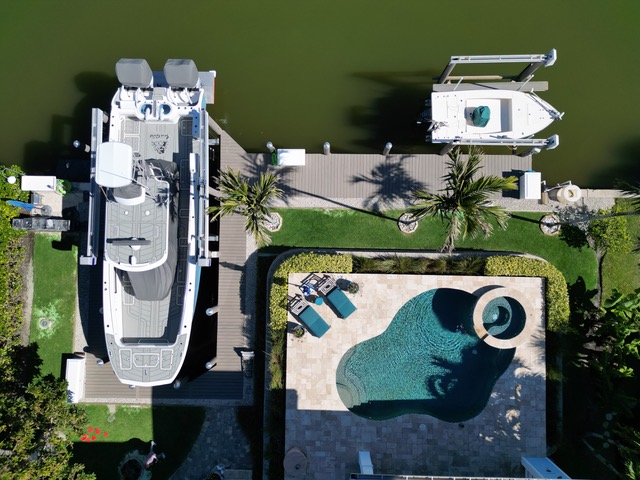
Light commercial properties need floating docks that hold up to daily foot traffic, multiple boats, and heavier loads than a single-family setup. HOAs, condo associations, restaurants, charter operators, marinas, and small waterfront businesses all need docks built for real use, not weekend boating. At J&M Marine Construction, we fabricate floating docks for both light commercial properties and residential waterfronts across Naples and Collier County.
We are a licensed dock builder and in-house metal fabricator based at 2496 Kirkwood Ave in Naples. Our full pile-driving and barge crew handles every step from drawing to install. The same shop also builds residential floating docks for waterfront homeowners.
Commercial-grade builds use heavier framing, marine-grade hardware, and higher float capacity than typical residential kits. Call J&M Marine Construction today to book a commercial floating dock consultation.
All coastal construction in Naples must meet the standards set by the Florida Department of Environmental Protection, which oversees shoreline impact, seagrass protection, and submerged land use across the state.
01
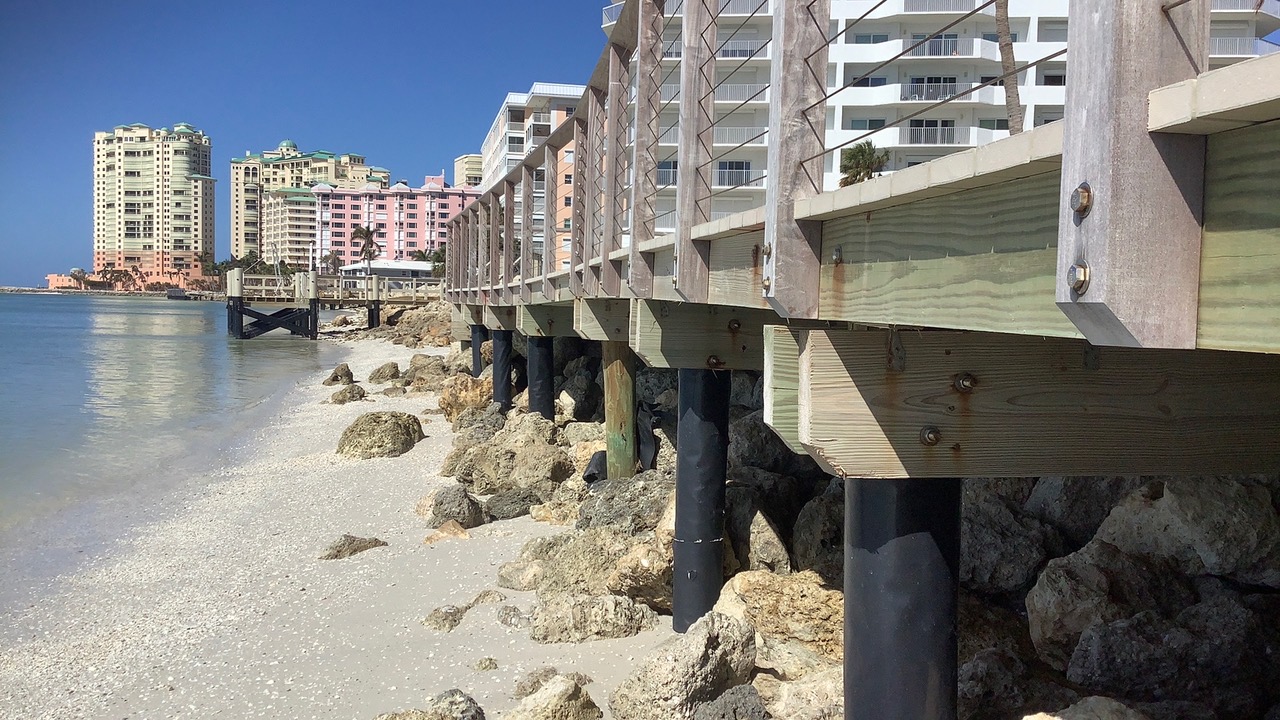
A floating dock at a single-family home gets used by one family and one or two boats. A dock at a restaurant, charter business, condo, or HOA gets used by dozens or hundreds of people every week. The math behind the build has to match the use.
What commercial floating docks need to handle:
* Daily public foot traffic across the deck
* Multiple users boarding and disembarking
* Guest boats tying up for short visits
* ADA access for ramps and walkways
* Insurance and inspection load ratings
We see these projects across Naples — restaurants along Naples Bay, charter docks near Tin City, and shared docks at condo waterfronts and HOA properties. Each one calls for sizing and features residential docks rarely need.
Our build sizing reflects that. Framing runs heavier, joist spacing runs tighter, and float capacity steps up to handle crowd loads. Decking gets picked for daily foot traffic, not weekend wear.
Residential builds run through the same shop, same crew, and same quality standards. The only differences are scale and code requirements. A homeowner gets the same welds, the same hardware, and the same marine-grade aluminum as a marina build.
02
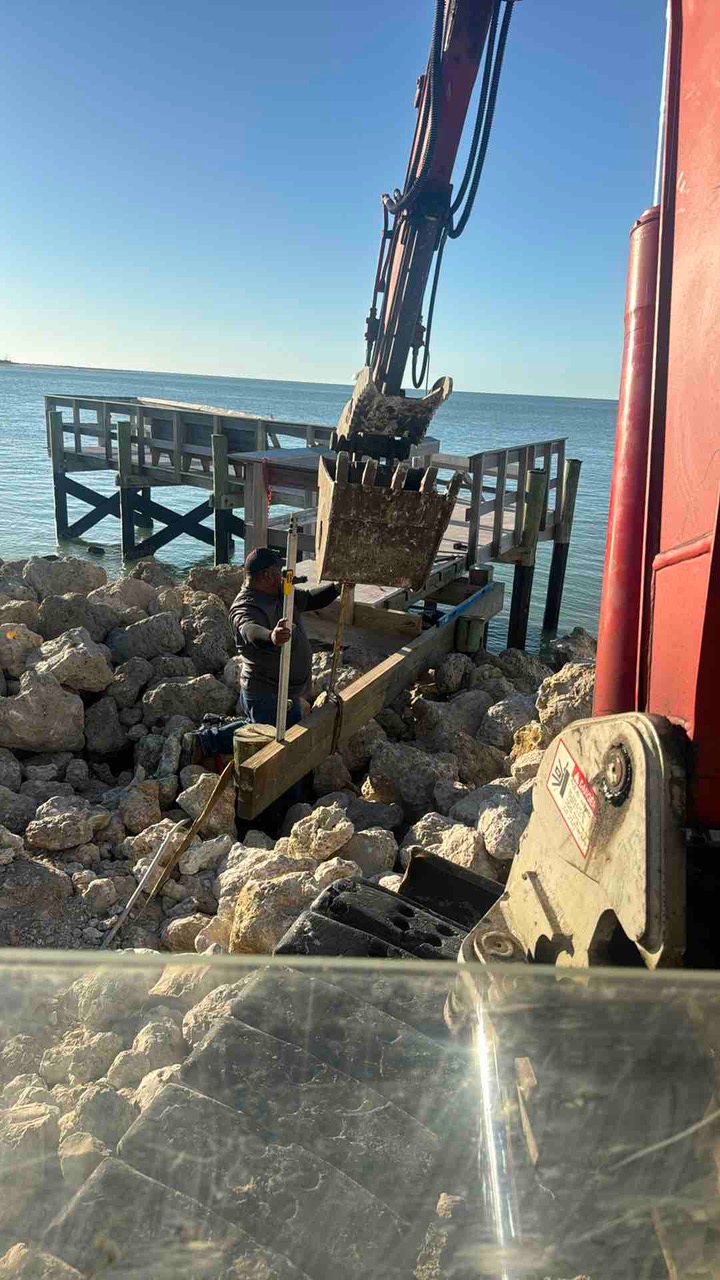
Commercial floating docks see loads a residential build never faces. A wedding crowd on a restaurant dock, a charter group boarding all at once, or a marina full of guest boats all push the dock at the same time. The framing and floats have to be built for that math.
How we size commercial dock framing:
* Marine-grade aluminum framing throughout
* Joist spacing tighter than typical residential builds
* Larger beam sizes for longer spans
* Cross-bracing where load concentrates
* Stainless and hot-dip galvanized hardware on every joint
Flotation gets scaled up the same way:
* Foam-filled poly floats sized for crowd loads
* Extra floats added to keep the deck level under peak use
* Reserve buoyancy planned for storm chop and surge
* Float spacing tightened to keep flex points out of high-traffic zones
Walkways often run wider too. Two-way foot traffic, gear carts, and ADA-compliant ramps all call for more deck width than a residential build needs. Where ADA applies, we plan the ramp slope and landing sizes to meet code from the first drawing.
Naples sits in the Gulf hurricane zone, so commercial anchoring runs heavier than residential. Helical anchors, longer pile-guided runs, and reinforced chain systems all show up more often on commercial jobs than single-family docks.
03
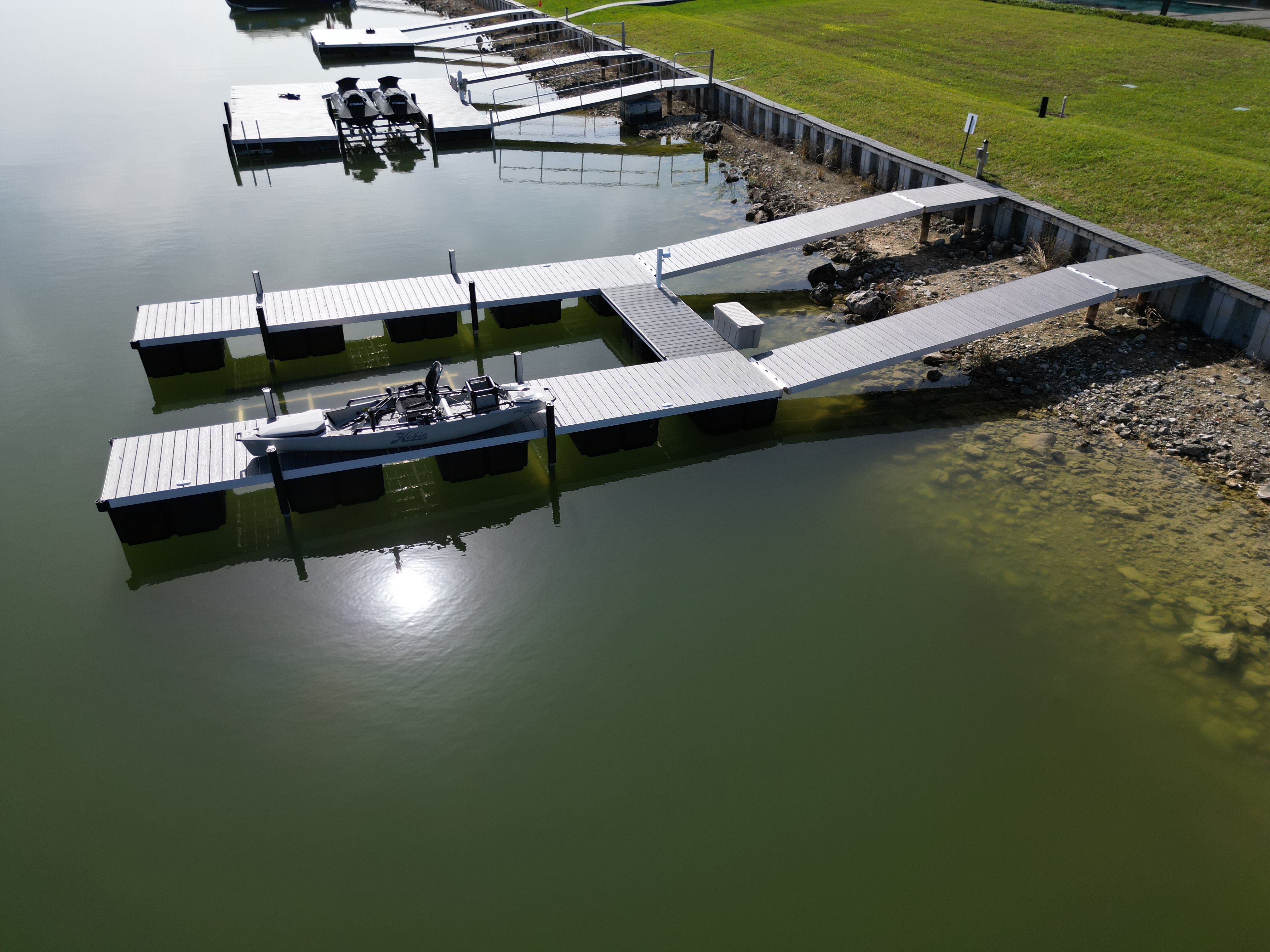
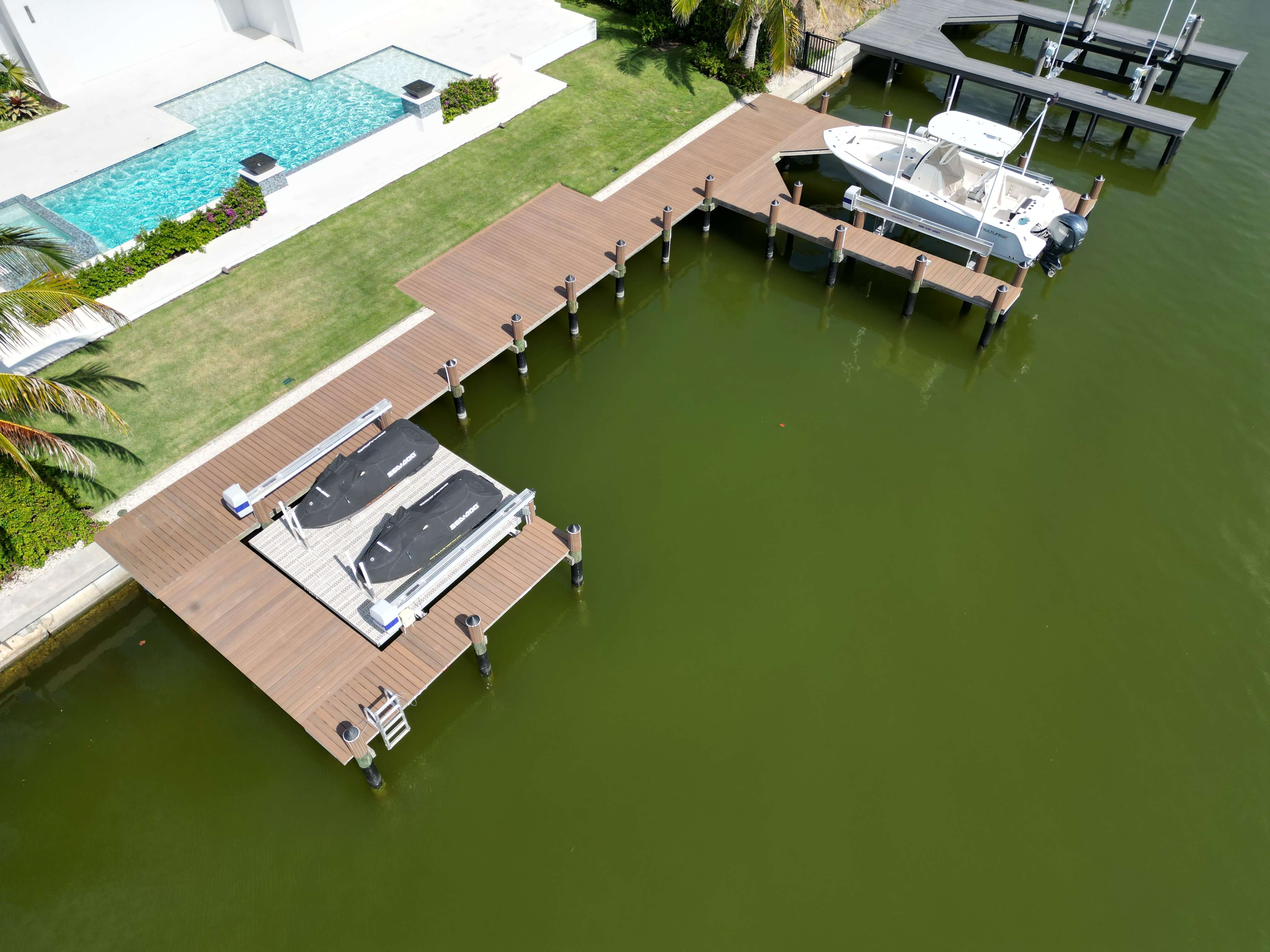
Commercial waterfronts in Naples often need to handle more than one boat at a time. A marina has fleet boats, a restaurant has guest tie-ups, and a charter operator has pickup and drop-off traffic all day long. Multi-slip layouts solve that.
Layouts we build for light commercial sites:
* Marina-style platforms with multiple finger piers
* T-shapes with slips on both sides of the head dock
* Service docks for fuel pumps or pump-out stations
* Guest tie-up docks for restaurants and waterfront events
* Charter pickup and drop-off platforms with shaded waiting areas
Each slip gets planned around the boat size that will use it. Charter dive boats and fishing charters have different beam, draft, and tie-up needs than small runabouts or pontoons. We size the slip width and dock height to match the fleet.
Traffic flow matters as much as slip count. We lay out walkways so boarding traffic, gear loading, and guest movement do not collide. On busy days the dock keeps working without bottlenecks.
Tin City, the Naples Bay Resort area, and Port Royal HOA docks are all places where we have built or serviced multi-slip layouts. Each property runs different boat types, different schedules, and different rules — and the dock gets shaped around that.
04
Commercial floating docks in Naples face stricter permit review than residential builds. More users, larger structures, and public access all raise the bar. We handle the full permit and code work so the project moves without surprises.
Permits and reviews we manage on commercial jobs:
* Collier County commercial dock permit for the structure
* Florida DEP review for environmental and coastal impact
* ADA access compliance for public-facing docks
* Seagrass survey where seagrass beds are present
* Wind load and structural review for larger builds
ADA rules apply to most public-facing docks, including restaurants, marinas, and shared HOA properties. Ramp slope, landing size, handrail height, and surface grip all factor in. We plan ADA features into the dock from the first drawing, not as an add-on later.
Insurance carriers and inspectors also look closer at commercial docks. Load ratings, hardware grades, and anchor capacities all show up on the documentation list. We provide the paperwork your insurance and tenants need.
What we do for you:
* Draw the dock and submit the full permit package
* Run revisions and answer reviewer questions
* Coordinate ADA, seagrass, and structural reviews
* Meet inspectors on site during and after build
You sign the application, and we handle the rest of the process from submittal to final approval.
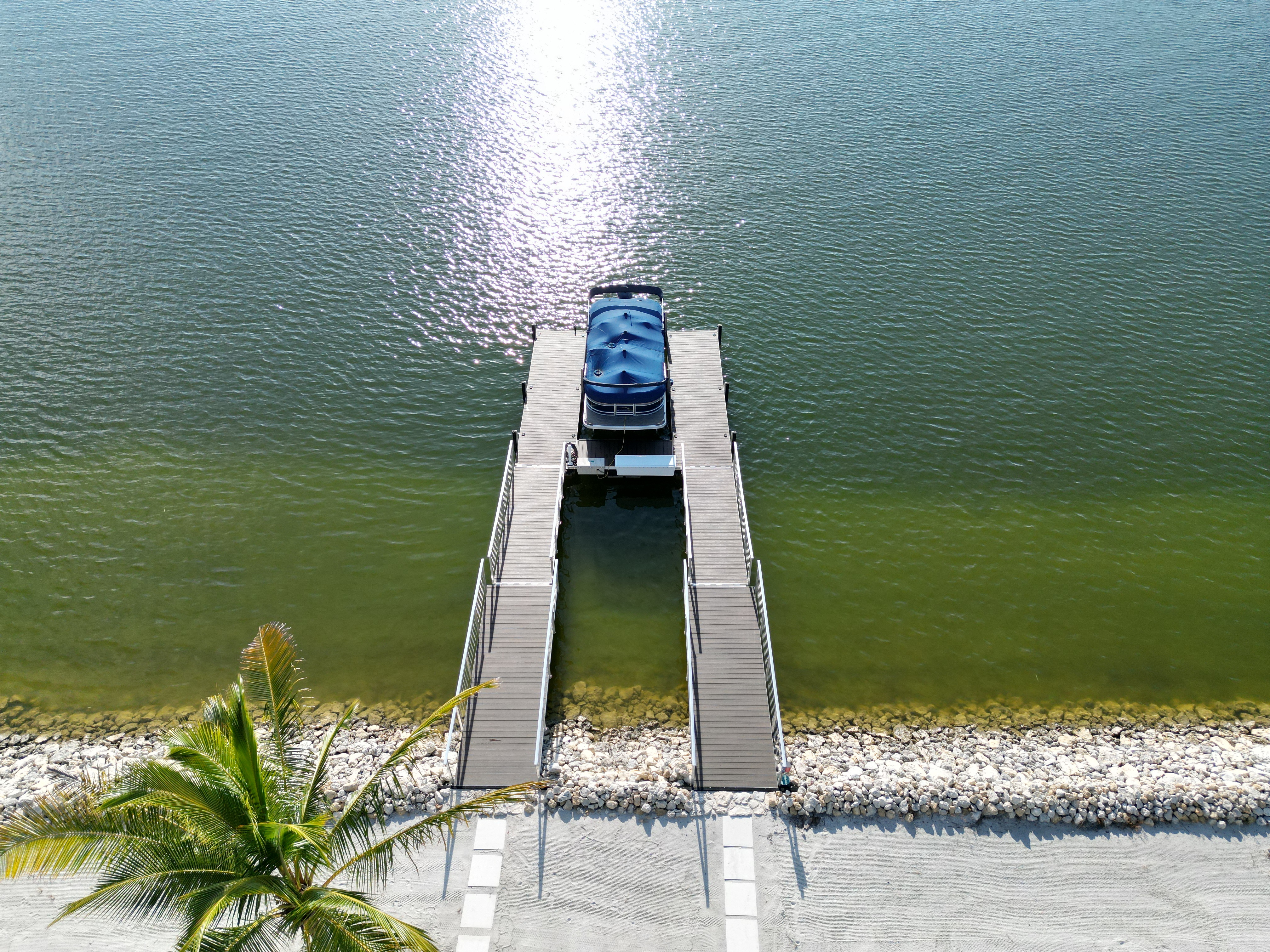
A commercial dock sees more wear in a single season than most residential docks see in five years. Foot traffic, gear drags, dock cart wheels, and constant boat side-loads all push the structure. The materials have to keep up.
What we install on commercial floating dock builds:
* Marine-grade aluminum framing rated for commercial loads
* Composite or aluminum decking built for constant foot traffic
* Stainless and hot-dip galvanized hardware throughout
* Heavy-duty cleats sized to commercial vessel lines
* Marine ladders rated for repeated use
* Bumpers and rub rails along every high-traffic edge
Decking choice matters more on commercial docks. We pick composite or aluminum panels that hold grip when wet, resist UV fade, and shrug off sunscreen, fuel drips, and food spills. Wood works for some applications, but commercial sites usually move toward materials with lower care needs.
Naples salt, sun, and heavy use call for top-tier materials across the board. The hardware that holds the dock together is the part that fails first if cheap pieces get used. We never spec lower-grade fasteners on a commercial job, regardless of project size.
The result is a dock that looks and functions like new for years, not months.
A closed dock is a closed business. For HOAs, marinas, restaurants, and charter operators, an out-of-service dock means lost revenue and unhappy tenants. Service plans keep the dock open and the paperwork current.
What an annual service visit covers on commercial docks:
* Tighten every bolt, cleat, and bracket
* Inspect chains, shackles, pilings, and anchor systems
* Check decking for wear, splits, or loose fasteners
* Test ramps, ladders, and ADA components
* Replace bumpers and rub rails on a wear cycle
* Document the inspection in writing
Storm prep and post-storm work get folded into the plan:
* Pre-season anchor and hardware check before June
* Mid-season tightening if needed
* Post-storm damage assessment and repair scheduling
* Temporary stabilization on emergency calls
Documentation matters as much as the work itself. Insurance carriers, inspectors, and tenant boards all need records. We provide written reports for every visit so the property has the paperwork on hand.
Old Naples and Naples Bay properties often run service contracts year-round because their docks see constant use. Property managers and HOA boards prefer one call covering fabrication, install, and ongoing service. We provide all three from the same Naples shop.
Commercial floating docks in Naples are built to handle daily public use, multiple boats, and higher insurance loads than residential docks. The structure looks similar from above, but the materials, sizing, and code requirements are stricter on the commercial side. A residential build for one family follows different math than a marina or restaurant dock used by hundreds of people each week.
Three main differences set them apart:
* Heavier framing and tighter joist spacing for commercial foot traffic
* Higher float capacity sized for crowd loads and boat side-loads
* ADA access, code compliance, and stricter permit review on commercial builds
We size and spec each build to fit the use, whether the customer is a homeowner or a property manager.
Whether you manage a marina, run a charter business, sit on an HOA board, or own a waterfront home, our crew is ready to help. We serve property owners and managers across Naples, Marco Island, and all of Collier County.
What you get when you call J&M Marine Construction:
* Free on-site visit
* Residential and light commercial builds
* In-house metal fabrication shop
* Barge and pile-driving crew
* Full permit handling from drawing to inspection
* Ongoing service plans for commercial properties
Call (239) 353-7326 to schedule your floating dock consultation. You can also stop by our shop at 2496 Kirkwood Ave, Naples, FL 34112 to talk through your project in person.