
Standard, custom, and composite built for Florida waterfronts.
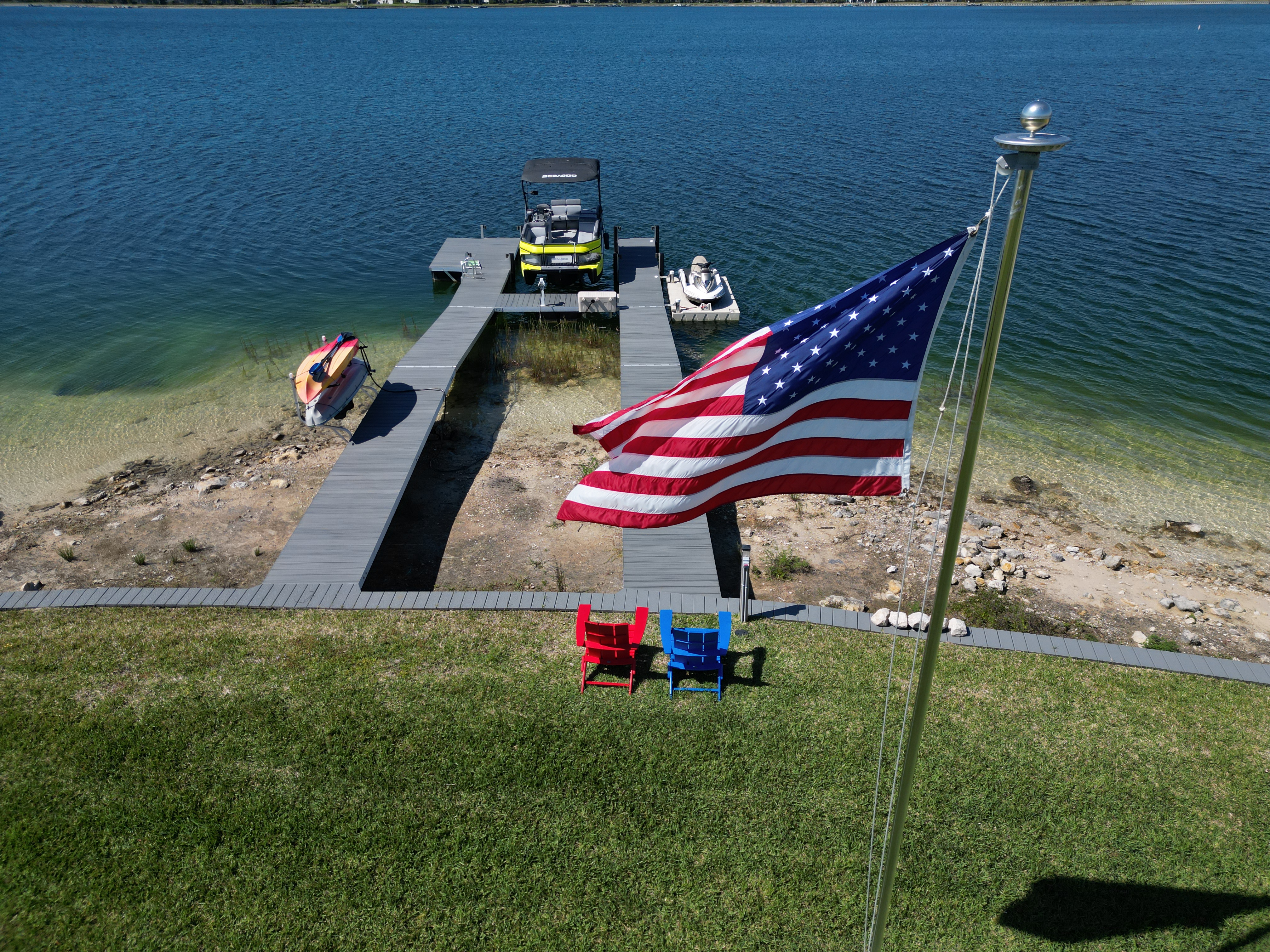
Every great floating dock starts with a great design. The layout, the framing, the float math, and the anchoring system all get decided on paper long before the first piece of metal is cut. At J&M Marine Construction, we plan, draw, and engineer custom floating docks before any fabrication begins on your Naples project.
We are a licensed dock builder and metal fabricator based at 2496 Kirkwood Ave in Naples. The design team works hand-in-hand with our in-house fabrication and install crew, so the plan on the drawing matches what shows up on your shoreline.
A well-designed floating dock avoids the top mistakes that sink projects in Naples — sagging framing, undersized floats, missing permits, or layouts that ignore the tide. Call J&M Marine Construction today to book a design consultation.
All floating dock builds in Collier County must align with Florida Department of Environmental Protection guidelines for submerged lands and shoreline impact, and we handle the full design process so your project stays compliant from day one.
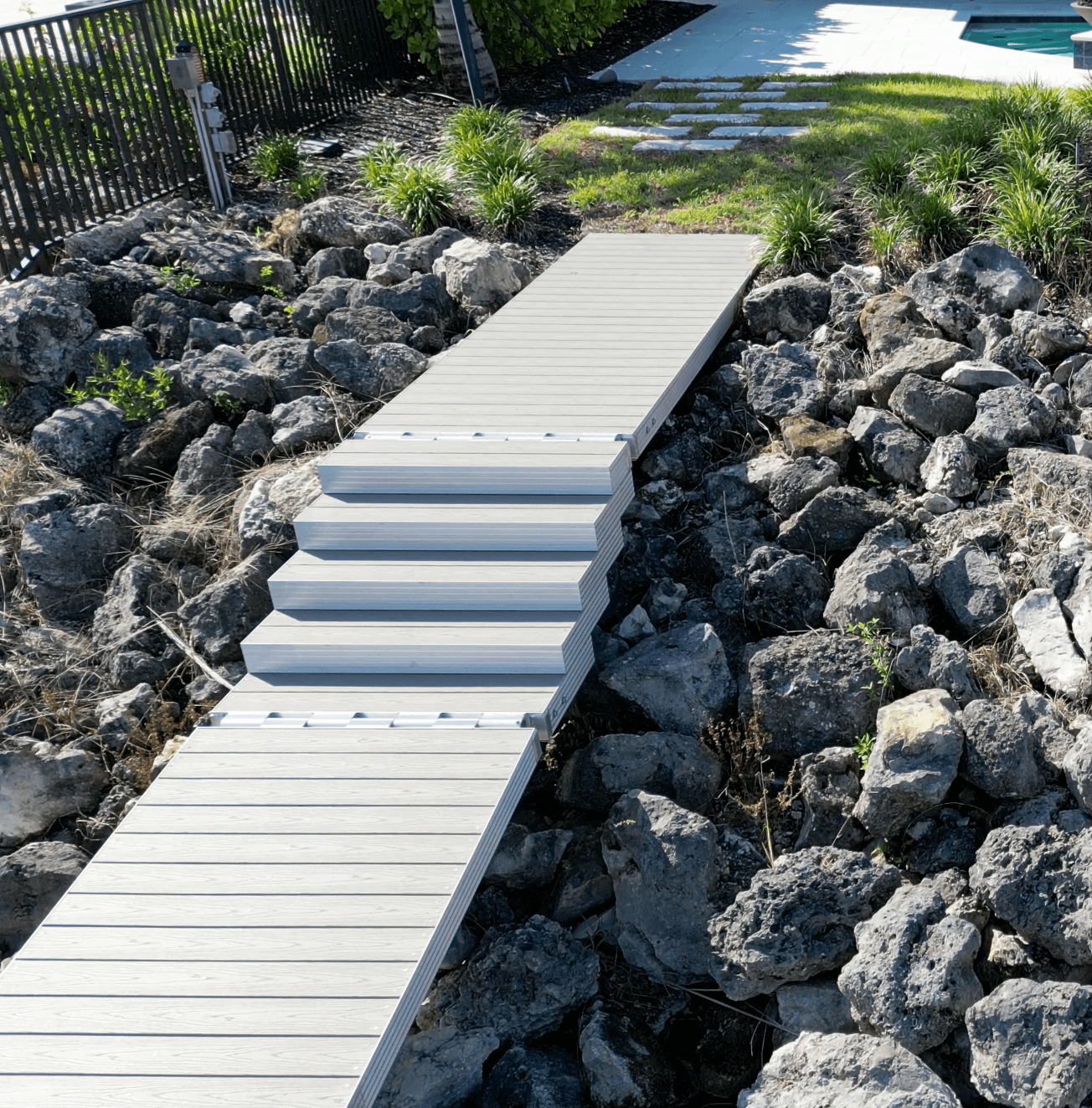
Good design starts on your shoreline, not on a stock plan sheet. We come out to your Naples property and walk the waterfront with you before any drawing begins.
What we map during the design visit:
* Shoreline frontage and access for build crews
* Water depth at mean low tide
* Tidal range from high to low
* Bottom type — sand, muck, rock, or seagrass
* Boat length, beam, and dry weight
* Future boat upgrades you have in mind
How you plan to use the dock shapes the whole design. Boating, fishing, swimming, kayak launching, and entertaining all change layout, width, and access points. A fishing-first dock looks different from a swim-platform dock.
Naples sits on the Gulf with a real tidal swing and storm exposure that changes the design math on every lot. A canal-front dock and an open-bay dock follow different rules even on the same street.
In neighborhoods like Old Naples and Aqualane Shores, owners often want multi-use designs with built-in platforms, swim areas, and boat lifts. We plan those features into the layout from day one so the dock works as one system.
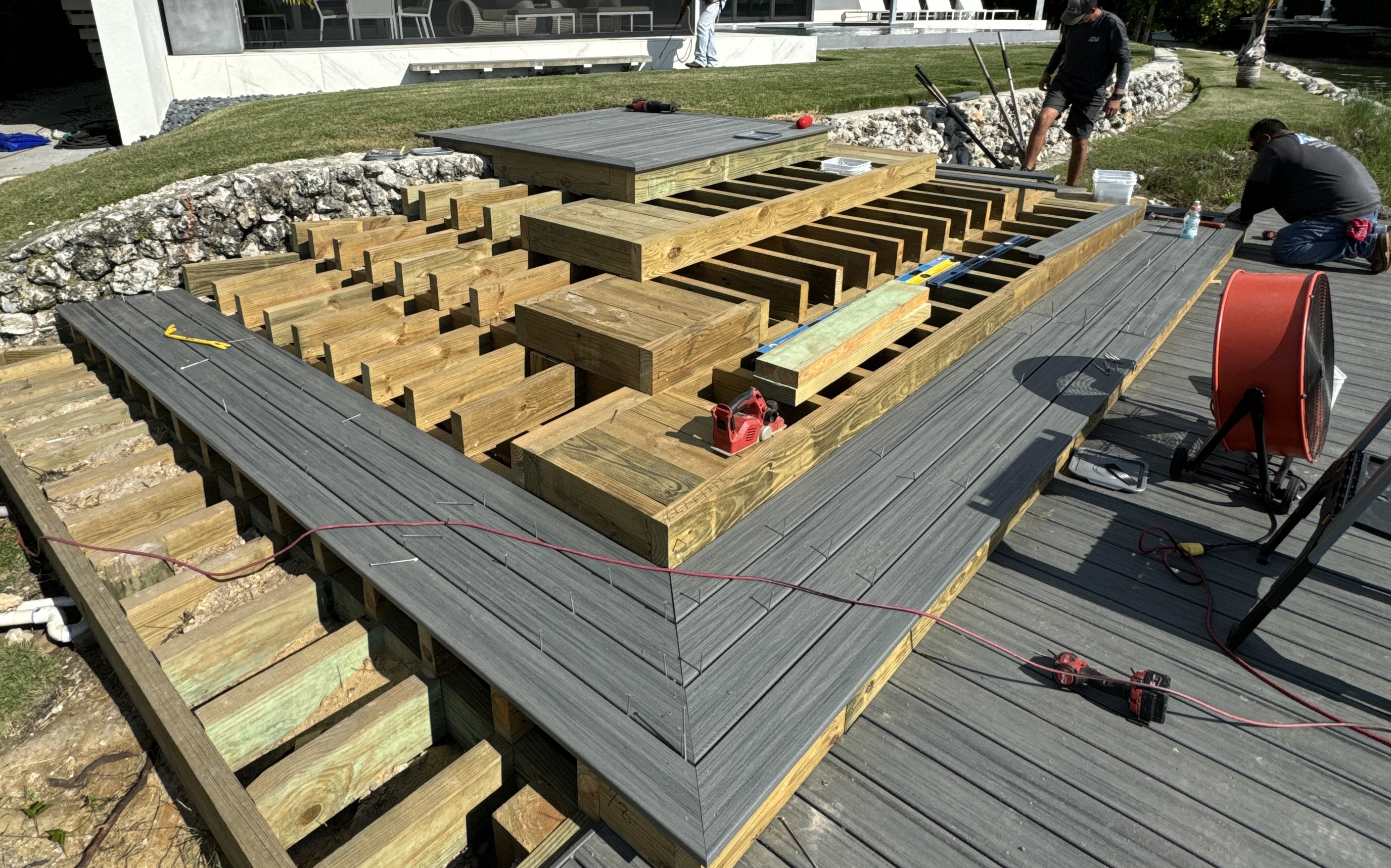
Layout is where your floating dock takes shape on paper. The right shape gives you boat access, walking room, and built-in space for swimming or fishing without wasted square footage.
Layouts we design for Naples shorelines:
* Straight runs for narrow canal-front lots
* L-shapes with a main walkway and a head dock
* T-shapes for boat tie-up on both sides
* U-shapes that wrap around a slip or lift
* Finger piers for multiple boats or jet skis
* Marina-style platforms for larger waterfront properties
Width and length get scaled to your boat size, your shoreline frontage, and Collier County setback rules. A 40-foot canal lot has very different design limits than a 100-foot open-bay lot.
We also design cutouts and built-ins straight into the layout:
* Boat slip cutouts sized to your hull
* Swim ladder pockets
* Kayak and paddleboard launch zones
* Boat lift footprints
In Port Royal, owners often want long runs with multiple boat slips, finger piers, and platforms for entertaining. We plan that scale of dock as one connected system, not a stack of separate pieces.
The outcome is a dock layout that fits your water, your boat, and how you live on the waterfront.
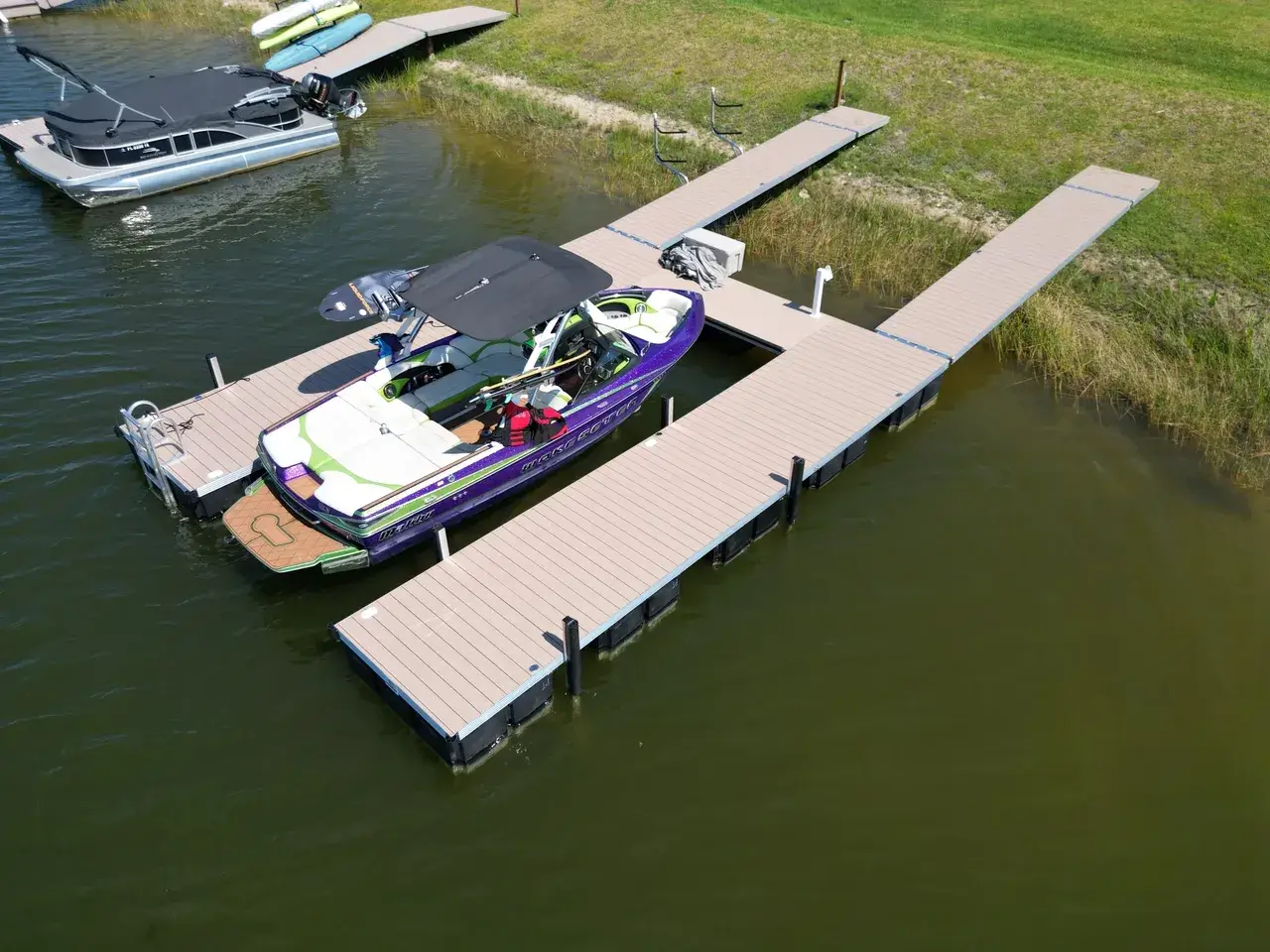
Framing is the skeleton of the dock. Get it right and the deck holds level for decades; get it wrong and the boards sag, the screws back out, and the dock fails early. We spec framing during the design phase, before any material gets ordered.
Framing decisions we lock in on paper:
* Joist spacing matched to your decking type2x6 vs 2x8 framing based on span length and load
* Aluminum framing for the longest life and lowest care
* Pressure-treated lumber for budget builds
* Stainless and hot-dip galvanized hardware throughout
Joist spacing changes with the decking. Composite boards like Trex and TimberTech need tighter spans than pressure-treated wood. Skip that step and the composite warps or flexes underfoot inside the first year.
The top mistake on DIY floating docks in Naples is under-spec framing. Owners pick a single beam size and run with it, then watch the dock sag where loads concentrate. Real spans need real math.
Gulf wind and chop call for stronger framing than freshwater dock builds. A dock framed for a quiet lake will not hold up to Naples Bay weather over time. We spec framing for the actual conditions on your shoreline, not a generic template.
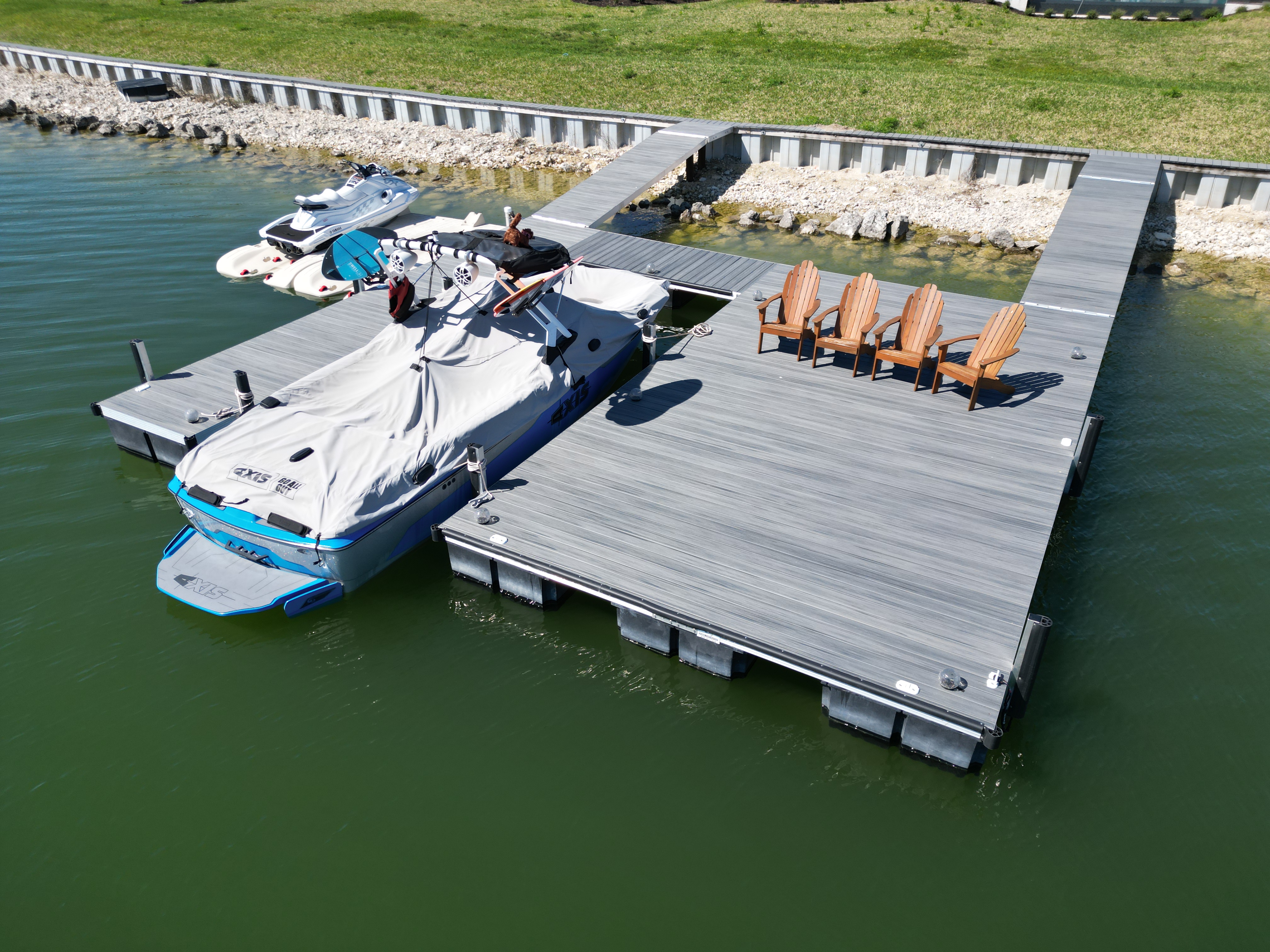
Flotation is what keeps the dock at boarding height every hour of every day. We run the float math during design, so the dock floats level the day it goes in and stays that way for years.
What we calculate:
* Deck weight at full build
* Live load — people, gear, and side-loads from the boat
* Reserve buoyancy for storm chop and crowded use
* Float spacing to keep the deck flat without flex points
Float quality matters as much as float count. We spec foam-filled poly floats rated for marine use, never hollow air drums or 55-gallon barrels. Foam beats both on safety — a puncture in a foam float just dents the shell, while a punctured air float can sink the section.
Anchoring style gets locked in during design too:
* Pile-guided floats for canal lots with steady tide swing
* Chain-and-block for deeper open water
* Stiff-arm anchors for shorelines with shallow access
Naples salt and UV degrade cheap floats fast. Marine-grade poly with UV-stable shells holds up to Gulf sun for decades. Off-brand or freshwater-rated floats fail in five years or less. We design with the right product from the start, so the float plan matches the build's full lifespan.
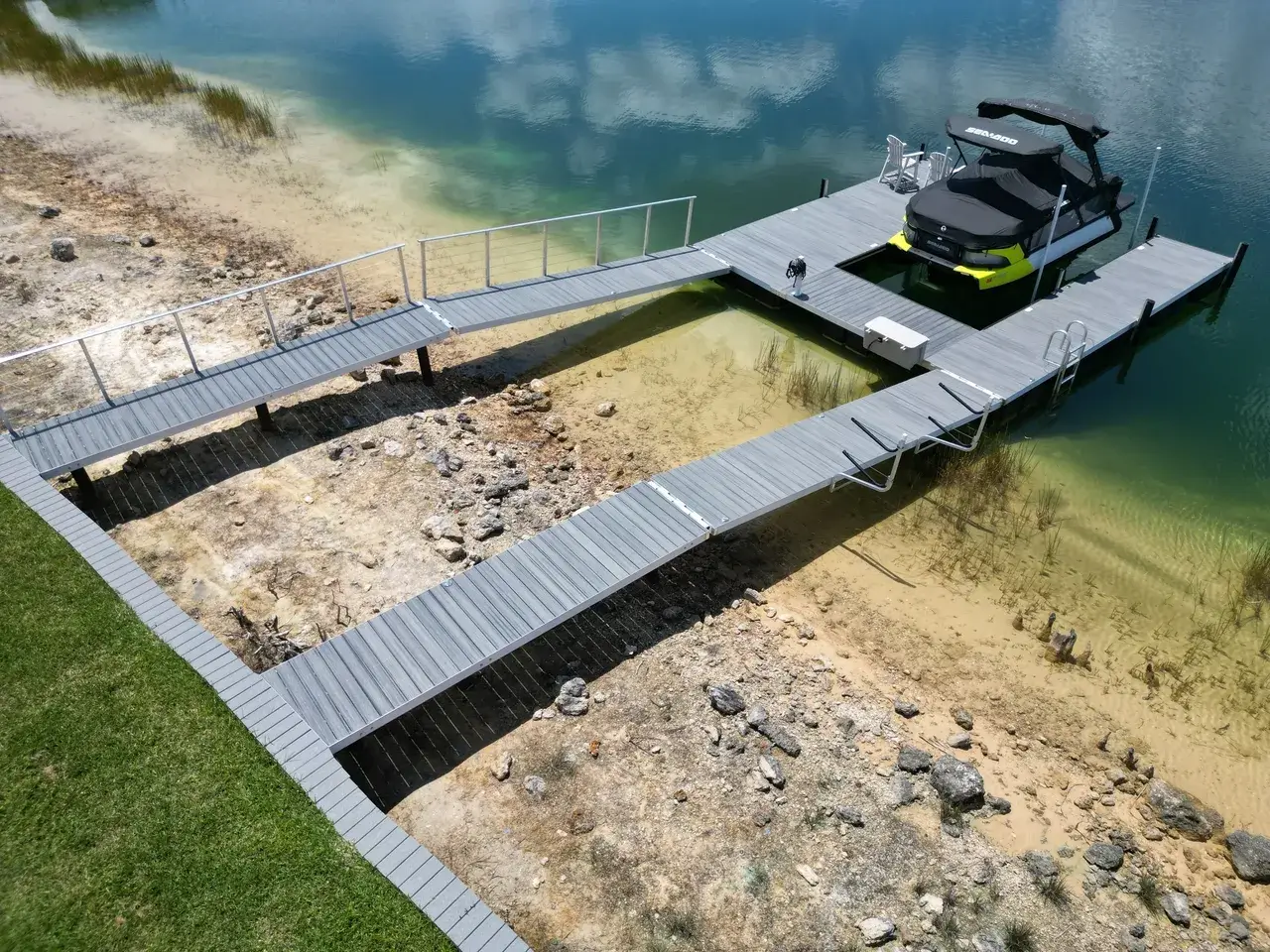
The design phase ends with a permit-ready drawing package, not a sketch on a napkin. Detailed drawings cut review time and reduce back-and-forth with the county.
Each Naples floating dock design package includes:
* Full dock layout with dimensions
* Framing details and joist spacing notes
* Float plan with sizes and positions
* Anchoring system and pile locations
* Decking type, fastener pattern, and trim
* Site map with shoreline, setbacks, and seagrass zones
Collier County and Florida DEP review these drawings during permit submittal. Plans that show every detail up front move through review faster than vague packages that trigger revision after revision.
Seagrass and shoreline buffer rules get factored into the design from the first sketch. We pull the state shoreline data and check for seagrass before we lock in the dock footprint. That keeps the design legal from day one.
Royal Harbor canal lots and open-bay Naples shorelines follow different setback math. Side setbacks, dock length limits, and total dock area all change based on lot type and frontage. We design within those rules so the permit moves and the build stays on schedule.
The biggest factor in how long your floating dock lasts is not how it gets built — it is how it gets designed. Smart choices on paper save you tens of thousands in repair bills down the road.
Design choices that drive long life:
* Marine-grade hardware only — stainless and hot-dip galvanized throughout
* Aluminum framing for the longest lifespan in Naples saltwater
* Composite or aluminum decking for the lowest care load
* Foam-filled marine floats with UV-stable shells
* Anchor sizing matched to your bottom and storm exposure
* Bumper and rub rail coverage on every high-traffic edge
A dock designed with these choices runs 20 to 40 years in Naples water with regular service. A dock designed with cheap hardware, hollow floats, and under-spec framing often fails in five years or less. The difference shows up in the design phase, not the build phase.
We walk you through each material choice during the design consultation. Trade-offs on care, lifespan, and budget all get laid out so you make the call with full information. The result is a dock you build once and live with for decades.
Most floating dock failures in Naples trace back to design choices made before fabrication starts. The dock that sags, leans, or rots out early was usually planned wrong on paper. Catching these mistakes during the design phase saves the build and protects the lifespan.
Three top design mistakes we see in Naples:
* Under-spec framing or wrong joist spacing for the decking type
* Wrong flotation math — too few floats or hollow air drums instead of foam-filled poly
* Skipping permits and engineered drawings, which leads to fines and forced rebuilds
A proper design phase catches all three before the first cut, so the dock holds level, holds up, and holds its permit through resale.
Whether you are planning a brand-new floating dock or redesigning a build that has failed early, our team is ready to help. We serve waterfront owners across Naples, Marco Island, and all of Collier County.
What you get when you call J&M Marine Construction:
* Free on-site shoreline visit
* Custom design and engineered drawings
* In-house fabrication shop and install crew
* Full permit handling from drawing to inspection
* One team from first sketch through final walk-through
Call (239) 353-7326 to schedule your floating dock design consultation. You can also stop by our shop at 2496 Kirkwood Ave, Naples, FL 34112 to talk through your project in person.